Raufarhólshellir Lava Tunnel Tours and Visiting Options
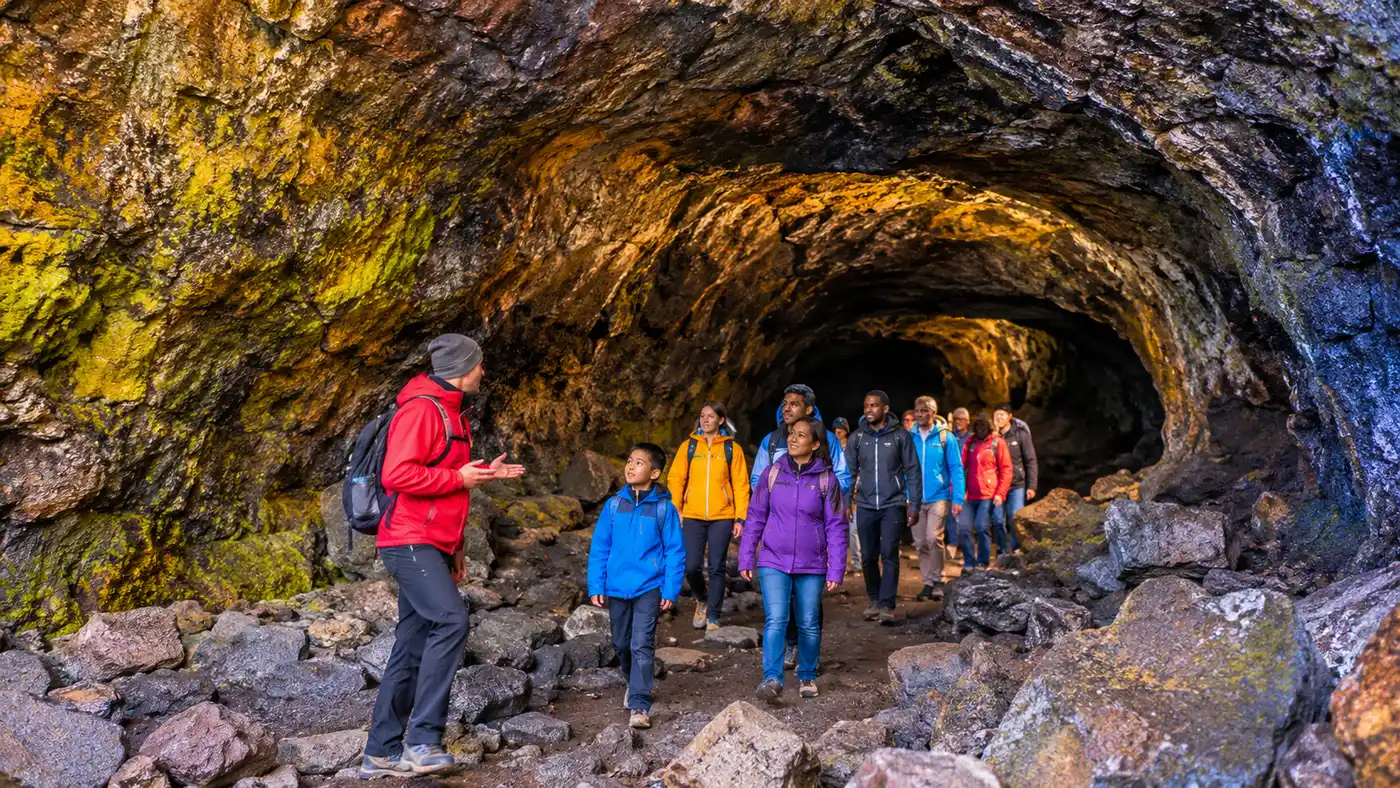
The wind on the Reykjanes peninsula can shake the door right out of your grip, but step three paces down into the tunnel mouth and the world goes dead silent. You smell wet basalt and moss before you see much of anything. Planning a raufarholshellir tour usually comes down to picking between a relaxed walk along a raised platform or a muddy scramble into the dark with a guide checking your ankle support every twenty paces. It is one of the longest lava tubes in Iceland, sitting just thirty minutes outside the capital, yet people still manage to pick the wrong excursion for their fitness level.
I have walked this tube in mid-January when blue ice spears hung down from the ceiling like chandeliers, and again in July when sunlight poured straight through the roof collapses to light up red volcanic walls. Choosing how to explore Raufarhólshellir depends on how deep you want to go, how much you care about comfort, and whether you are driving yourself or hitching a ride on a bus loop. Here is how the visiting options actually break down underground.
Book your lava tunnel raufarholshellir experience:
Choosing the Standard Lava Tunnel Tour
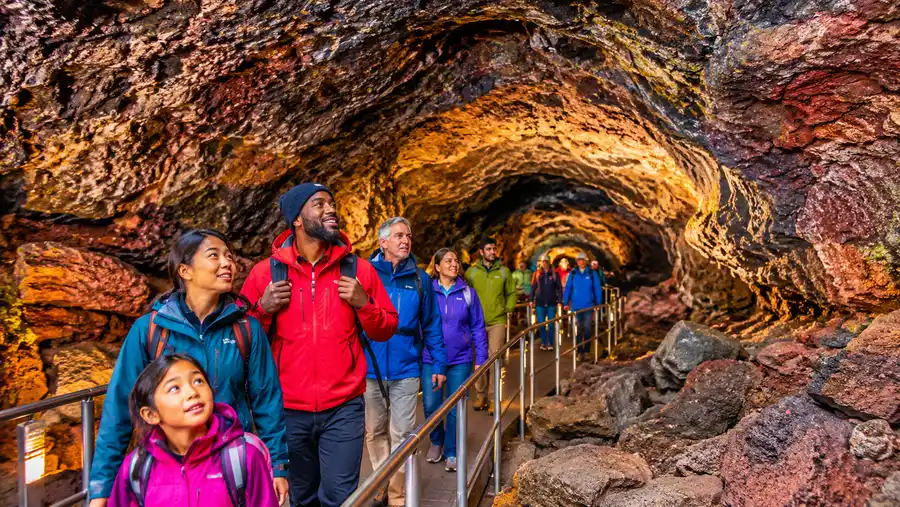
Most visitors end up on the standard lava tunnel tour, and for good reason. It takes roughly an hour from the moment you strap on a red hardhat at the visitor center to the moment you climb back into the daylight. You walk along a 390-meter wooden footbridge built straight over the jagged cave floor. The construction saved this cave. Decades of unsupervised visits had wrecked the delicate mineral walls, but the walkway now keeps boots off the sensitive rock while making the space accessible to almost anyone who can manage three flights of stairs.
The lighting system down there is subtle. Rather than flooding the chamber with garish carnival colors, warm spotlights hide behind boulders to trace the volcanic shelving left behind when magma drained out 5,200 years ago. You see bands of purple, sulfur yellow, and rusty iron red running along the walls. The ceiling towers nearly 10 meters high in places, making the cavern feel more like a ruined cathedral than a claustrophobic hole in the ground.
Note: Water drips constantly from the ceiling regardless of the forecast outside. A water-resistant jacket is mandatory unless you enjoy cold groundwater trickling down your neck while staring at basalt formations.
Near the middle point of the platform, the guide will gather everyone and ask everyone to switch off their headlamps. Then they kill the path lights. You get three full minutes of absolute sensory deprivation. You cannot see your hand pressed against your nose. The only sound is the rhythmic plink-plink of seepage hitting the rocks. For nervous travelers or families with kids as young as three, this basic walk offers plenty of geological drama without any technical climbing or claustrophobia.
The Lava Falls Adventure: Going Deeper into the Darkness
If walking on treated lumber feels a bit sanitized, the Lava Falls adventure takes you into a completely different cave environment. This raufarholshellir cave tour covers the full accessible length of the tube, pushing past the end of the walkway where the tourists turn around. The platform ends abruptly. From there, you step directly onto slick, moss-free breakdown boulders the size of compact cars.
You spend three to four hours underground on this route. You need genuine stamina. There is no flat path, no handrails, and zero installed lighting beyond what is strapped to your forehead. The air temperature hovers right around 2 to 4 degrees Celsius year-round, but you will sweat under your thermal layers from scrambling across jagged piles of collapsed basalt. The guide checks your footwear before departing; flimsy sneakers get turned away at the door without a refund.
The reward for all that ankle-twisting effort is reaching the source area where the lava once cascaded down into the main chamber. The mineral crusts out here remain pristine. Because casual walkers cannot reach this sector, fragile lava stalactites still hang intact from low ceiling shelves. You see shark-tooth drip structures formed as the molten ceiling cooled in mid-air thousands of years ago.
| Tour Option | Duration | Difficulty | Key Requirement | Approx. Cost |
|---|---|---|---|---|
| Standard Day Tour | 60 minutes | Easy | Warm layers, sturdy boots | $38 - $45 |
| Lava Falls Adventure | 3.5 to 4 hours | Challenging | Ankle-high hiking boots | $160 - $180 |
| Combo (Golden Circle) | 8 to 9 hours | Easy to Moderate | Full day commitment | $110 - $140 |
Can You Visit Raufarhólshellir Without a Guide?
The short answer is no. If you pull into the gravel lot hoping to wander into the cavern with your own flashlight, you will find a locked steel gate and an electric perimeter fence blocking the entrance. Exploring raufarhólshellir without guide access has been illegal since 2016. The Icelandic government stepped in after years of littering, broken stalactites, and repeated search-and-rescue dispatches forced a temporary total closure of the site.
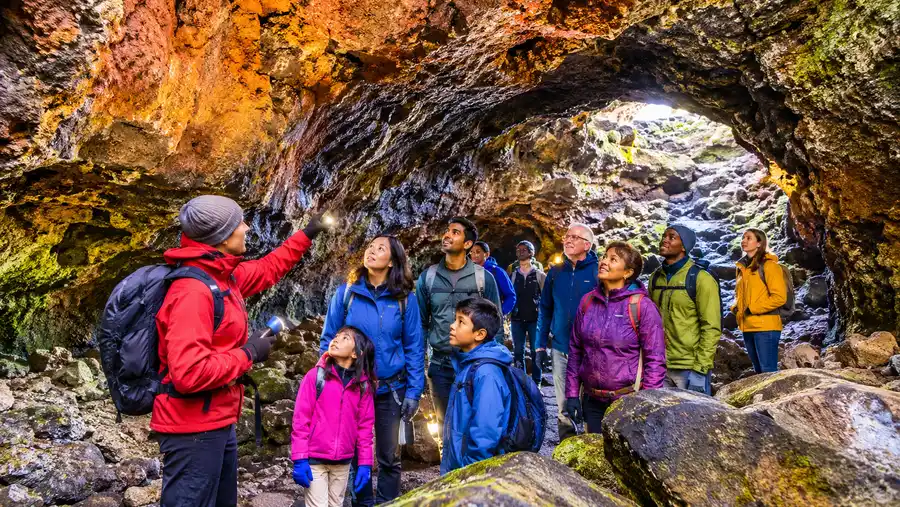
People used to build campfires inside. You can still see patches of soot near the entrance from before the preserve was privatized and restored. The current operating company took over to rehabilitate the environment, install safety infrastructure, and monitor the structural stability of the ceiling arches. Several parts of the ceiling have collapsed over the centuries, leaving massive skylights that drop snow and boulders directly onto the trail below.
For independent travelers mapping out their route, finding the cavern is simple enough if you rent a vehicle. Take a look at these detailed directions to the lava tunnel from Reykjavik to see how the drive works along Route 39. Just remember that booking an official entry slot online ahead of time is the only way that security gate opens for you.
Book your lava tunnel raufarholshellir experience:
Combo Packages: Golden Circle and Lava Tunnel Tour
Stacking activities is practically a sport in Iceland because daylight hours change so dramatically across the calendar. Booking a golden circle and lava tunnel tour lets you knock out the country's most famous loop alongside an underground trek in a single outing. It solves the rental car puzzle if you prefer letting a local driver handle icy mountain passes while you nap between stops.
These combo days usually start early, picking you up from designated bus stops around Reykjavik by 8:30 AM. You hit the subterranean leg first, descending into Raufarhólshellir while the morning is still dim. Once back above ground, the bus loops north toward Thingvellir National Park to see the continental rift, then hits the erupting fountain at Geysir and the massive drop at Gullfoss waterfall. It makes for an efficient nine-hour circuit.
Pro tip: If taking a bus combo in winter, pack your lunch the night before. Tour stops at Geysir get mobbed around midday, and waiting twenty minutes in a cafeteria line cuts right into your time watching the geyser blow.
What makes a combined lava tunnel iceland tour work so well is contrast. Above ground, Iceland feels vast, windy, and bare. Below ground, the landscape shrinks to shadows, dripping water, and raw structural geology. Doing both on the same day gives you a real grasp of how the island was built from the magma chambers up.
What to Bring and Wear Underground
- Sturdy footwear: hiking boots with deep tread are essential because wet metal grating and damp rock surfaces get dangerously slick.
- Warm inner layers: synthetic thermals or merino wool will keep you warm, while heavy cotton hoodies trap damp chill against your skin.
- Glove liners: thin fleece or leather gloves protect your knuckles from abrasive volcanic walls when steadying your balance on ladders.
- Waterproof shell: an outer rain layer stops the ceiling runoff from soaking through your warmth layers during the tour.
Seasonal Differences: Winter Ice vs. Summer Colors
The cave changes its personality depending on the season. In mid-winter, water freezes as it seeps through the porous ceiling of the first two collapsed chambers. This creates a dense forest of clear ice stalagmites that poke up from the rock like glass bowling pins. Some winters they grow two meters tall. The staff even hands out slip-on crampons at the door because the boardwalk turns into a smooth sheet of blue ice.
Summer brings an entirely different atmosphere. The ice melts away by late May, exposing the vivid orange and purple mineral salts leached out of the stone by centuries of rain. Without the glare of the ice, you notice the finer geological features, like the horizontal tidemarks etched into the wall where liquid lava crested and dropped during the original eruption.
Choosing Your Entry Time
- Morning departures: ideal for self-drivers aiming to beat the tour buses rolling in from Reykjavik after 10:30 AM.
- Midday slots: best for catching sunlight beaming down through the cave ceiling openings, which lights up dust motes and rock faces.
- Late afternoon: good for pairing with a soak at the geothermal pools in Hveragerði, located just fifteen minutes down the road.
A raufarholshellir lava tunnel tour in October or November hits a sweet spot if you dislike crowds. The summer tour coaches have dwindled, the ground has not yet frozen solid, and you often find yourself with only five or six other people in your group. That emptiness lets you experience the real scale of the cavern.
Frequently Asked Questions about raufarholshellir tour
Is the cave claustrophobic for anxious visitors?
Most people find it surprisingly open. The main chamber measures up to thirty meters wide and ten meters tall, with three giant openings to the sky in the first section letting in natural daylight and fresh air.
Can children join the standard tour?
Yes, children aged three and up can join the standard walk. Strollers are not permitted on the platform due to stairs, so you will need a child carrier for toddlers who cannot manage fifty steps on their own.
Do I need to rent special equipment before arriving?
No, the tour company provides standard safety gear on site. Every ticket includes a certified hardhat and a high-powered headlamp, plus pull-on crampons for your boots during winter months when the path freezes.
Quick Reference
- Standard tour duration: 60 minutes
- Year-round underground temp: 2-4°C (35-39°F)
- Distance from Reykjavik: 30 minutes (Route 39)
- Mandatory gear provided: helmet, headlamp, winter crampons
Book your lava tunnel raufarholshellir experience:
The Bottom Line
Standing beneath a basalt ceiling that survived five millennia of Icelandic winters puts your vacation in perspective. Whether you stick to the wooden walkway or crawl over boulder fields toward the source, make time to stop, shut your mouth, and just listen to the stone drip. Book your slot online a few days ahead, pull your boot laces tight, and watch your head on the lower arches.
Read more about lava tunnel raufarholshellir.